

The delayed annual freeze of the main nursery of Arctic sea ice in Siberia has triggered warnings by scientists.
For the first time since records started, the yearly freeze in the Laptev Sea has yet to begin, even though October - which is in the mid-northern hemisphere autumn - is nearing its end.
Scientists believe the delay has been caused by the long period of hot conditions in northern Russia and the encroachment of warmer Atlantic waters.
READ MORE: Massive holes in Siberia could be linked to climate change
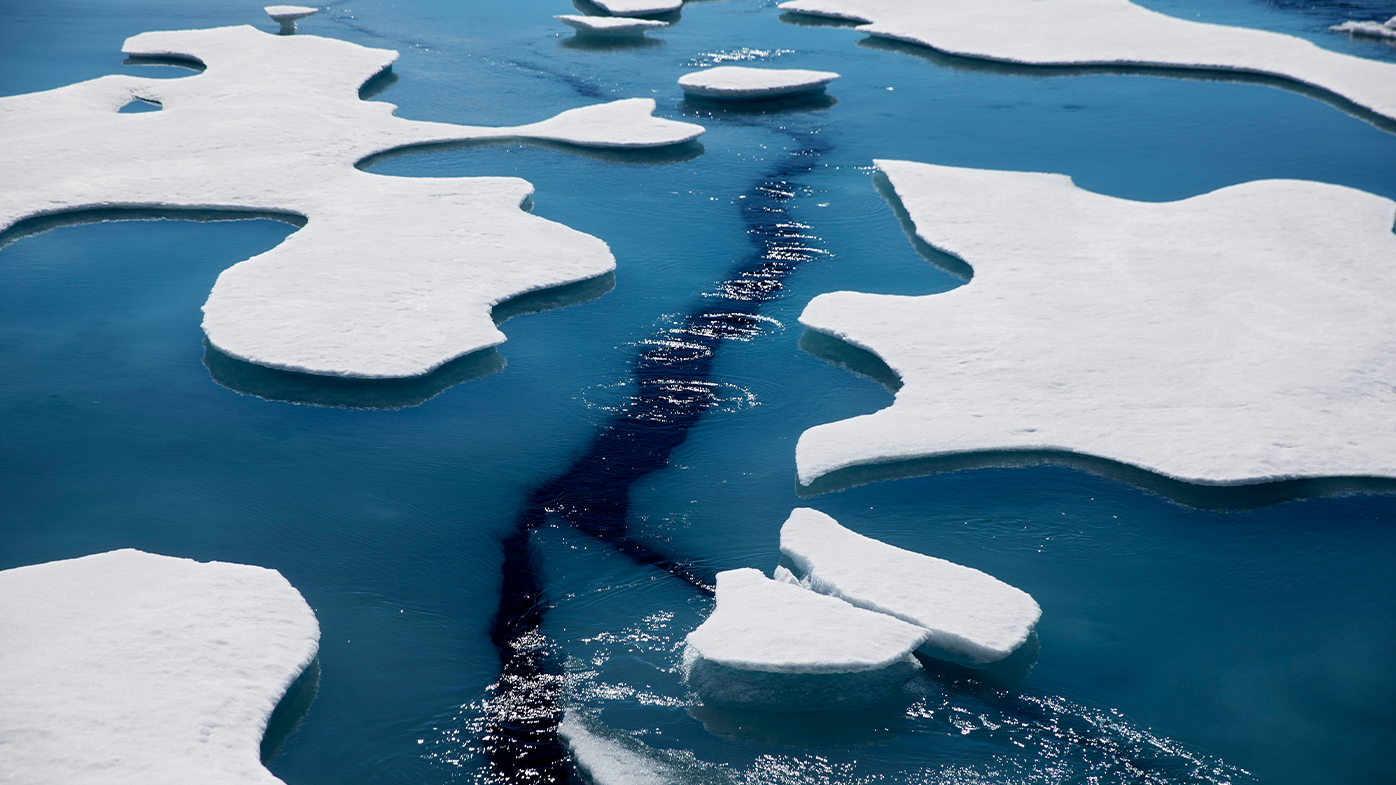
Following a record-breaking heatwave, the ocean temperatures of the region in Siberia jumped by more than 5C above average.
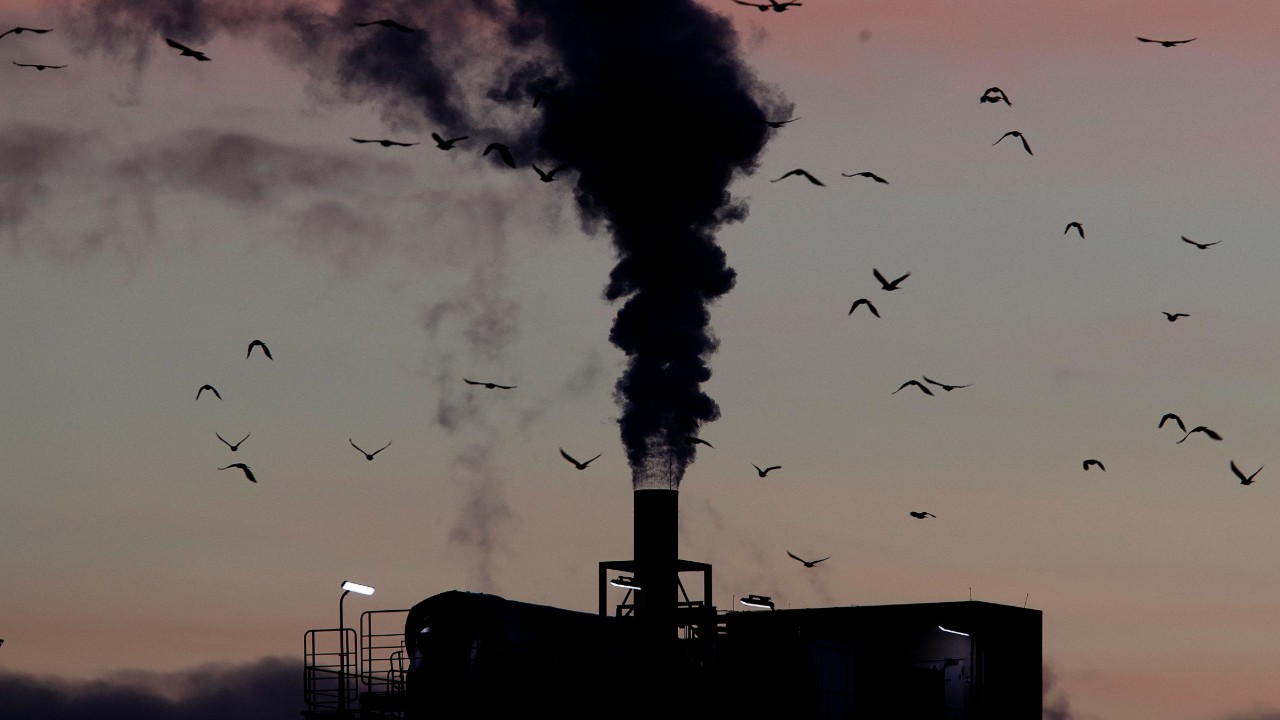
The slowing down of ice formation is regarded as another harmful effect of human-caused climate change.
"The lack of freeze-up so far this fall is unprecedented in the Siberian Arctic region," Zachary Labe, a postdoctoral researcher at Colorado State University told the Guardian.
He also forecast that the problems will keep on rising until emissions are cut.
"2020 is another year that is consistent with a rapidly changing Arctic. Without a systematic reduction in greenhouse gases, the likelihood of our first 'ice-free' summer will continue to increase by the mid-21st century," Mr Labe said.
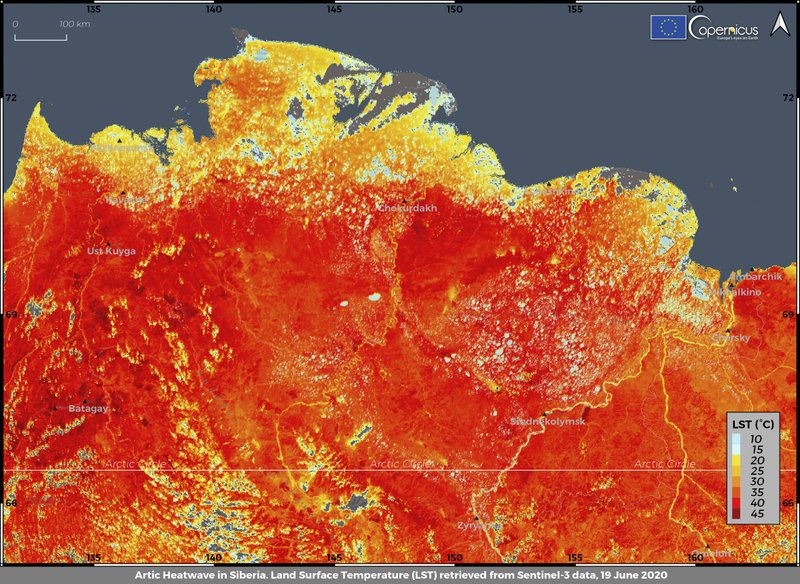
Studies have show that this year's Siberian heatwave between January and June was made 600 times more likely because of climate change.
Human-caused climate change is also behind the intrusion of warmer Atlantic currents into the Arctic seas.
They break up the formation between warm deep waters and the cool surfaces, making it difficult for the ice to form.
Research by the US National Snow and Ice Data Centre showed that the thickness of the Arctic ice is now half of what it was in the 1980s as the majority of the old ice in the region is now disappearing.
https://twitter.com/NSIDC/status/1320740116608946177?ref_src=twsrc%5EtfwScientists are also predicting an ice-free summer between 2030 and 2050.
from 9News https://ift.tt/3e3V9cH
via IFTTT



0 Comments